
What Is the Best Flour for Italian Pizza Dough?
Italian pizza is often described as simple, but that simplicity is deceptive. The foundation of every authentic pizza lies in the dough, and the most important component of that dough is flour. Flour determines how the dough stretches, how it bakes, how it tastes, and even how it feels after eating. For anyone interested in Italian cuisine San Francisco food lovers admire, understanding flour is essential to understanding why Italian pizza is so distinct from other styles.
In Italy, pizza dough is not designed to be heavy or overpowering. It is meant to support toppings while remaining light, airy, and digestible. This approach is why many San Francisco restaurants focused on Italian food prioritize flour quality and fermentation time over excessive ingredients. When diners search for the best food near me in San Francisco or explore Bay Area restaurants known for pizza, they are often responding to these subtle technical differences without realizing it.
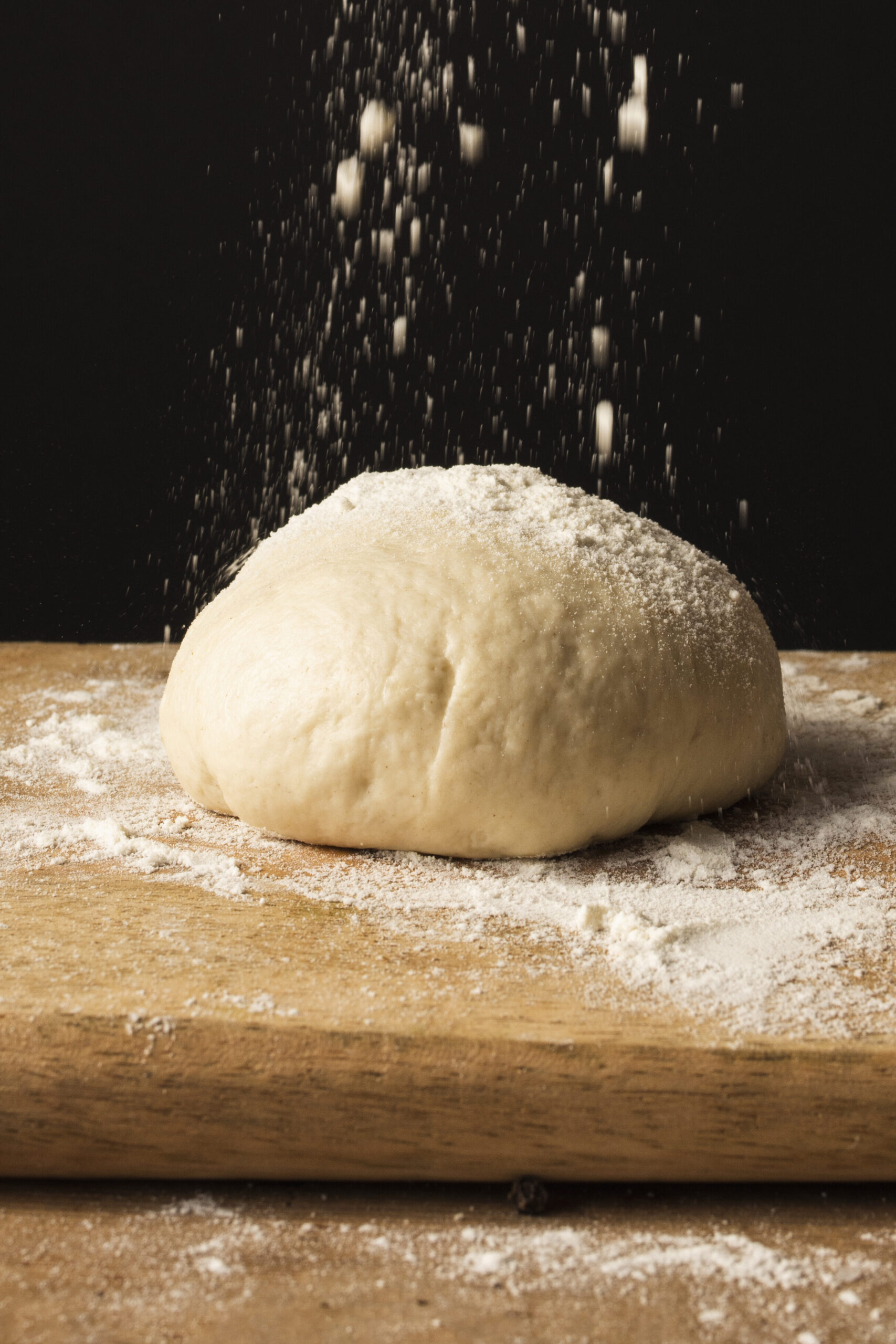
Flour affects hydration, elasticity, fermentation, and final texture. A well-chosen flour allows dough to stretch thin without tearing, bake evenly at high temperatures, and develop complex flavor through fermentation. These qualities are common in the Italian fine dining San Francisco scene and help explain why pizza from Italian kitchens feels balanced rather than filling. In upscale dining in San Francisco, flour is treated as an ingredient with as much importance as cheese or sauce.
The Best Flour Types for Italian Pizza Dough
The most traditional flour used for Italian pizza dough is known as tipo “00” flour. This flour is milled extremely fine and has a moderate protein content, making it ideal for doughs that require elasticity without toughness. Tipo “00” flour performs best in high-temperature ovens, producing a crust that is lightly crisp on the outside while remaining tender inside. This is the flour most associated with classic Neapolitan-style pizza and gourmet Italian dining.
However, tipo “00” flour is not the only option. Many professional kitchens, including those within Soma San Francisco restaurants, use flour blends depending on oven type and desired texture. Bread flour, with its higher protein content, adds strength and chew, while all-purpose flour provides accessibility and versatility. Some chefs also incorporate small amounts of whole wheat flour for flavor complexity, though this changes the traditional profile.
Key characteristics to consider when choosing pizza flour include:
- Protein content, which affects chew and structure
- Milling fineness, which impacts dough smoothness
- Absorption, which influences hydration levels
- Fermentation compatibility, which affects flavor and digestibility
Longer fermentation times allow dough to develop deeper flavor while breaking down gluten, making pizza easier to digest. This is one reason Italian food near me often feels lighter than heavily processed alternatives. Many Bay Area foodies seek out pizza made this way, even if they do not consciously identify the technique behind it. In the broader context of Bay Area eats, flour choice quietly shapes the overall dining experience.
Italian Pizza, Local Food Culture, and Dining Expectations
San Francisco food culture values both authenticity and innovation. While Italian pizza is rooted in tradition, it has adapted naturally to the expectations of modern diners. People searching where to eat in Soma San Francisco or browsing a San Francisco food guide are often looking for meals that feel intentional, comforting, and thoughtfully prepared. Pizza made with proper flour and fermentation meets those expectations in a subtle but powerful way.

In neighborhoods like Soma, where food culture intersects with art, technology, and nightlife, pizza often serves multiple roles. It can be part of a relaxed dinner, a shared meal among friends, or a late-night option for those exploring downtown San Francisco dining. Understanding flour helps explain why some pizzas work better for group dining and others suit quiet, sit-down meals.
Italian cuisine also extends beyond pizza, and the same flour principles apply to pasta, bread, and other dough-based dishes. Pasta restaurant San Francisco menus often reflect similar attention to texture and structure, using flour to create sauces that cling properly and dishes that feel cohesive. This consistency across the menu is part of what distinguishes top Italian restaurants in Soma San Francisco from more casual offerings.
For diners seeking romantic restaurants in Soma SF or best places to eat with friends in SF, the technical foundation of the food contributes to the overall experience. A well-made pizza complements wine, supports conversation, and feels satisfying without being overwhelming. These are qualities often associated with wine and dine restaurants in San Francisco and gourmet dining experiences SF locals appreciate.
Practical Tips, Takeout Considerations, and What to Look For
For anyone ordering pizza as takeout or delivery, flour still matters. Dough made with quality flour and proper fermentation retains its structure better during transport. This is especially relevant for those searching for the best takeout San Francisco or Soma takeout restaurants, where texture and flavor must hold up outside the dining room. A simple tip is to reheat pizza in an oven or skillet rather than a microwave to restore crust integrity.
When evaluating pizza from restaurants near me or food near me, consider how the crust behaves. Does it fold without cracking? Does it feel light rather than dense? Does it support toppings without becoming soggy? These traits often indicate thoughtful flour selection and fermentation. Many SF restaurants that earn loyalty from San Francisco foodies do so because of these foundational details.
Italian pizza also fits naturally into a wide range of dining occasions. It works well for families, casual dates, and group gatherings, while still appealing to those seeking fine dining San Francisco experiences. This versatility explains why Italian cuisine remains central to Bay Area food spots and why pizza continues to evolve without losing its identity.
Ultimately, the best flour for Italian pizza dough is one that respects tradition while accommodating environment, equipment, and intention. In the context of Bay Area restaurants and Soma food near me searches, flour choice quietly influences why certain places stand out. Whether dining in, ordering takeout, or exploring SF Bay Area eat options, understanding flour offers a deeper appreciation of pizza as a craft rather than a convenience.
Italian pizza is not about excess. It is about balance, restraint, and technique. Flour sits at the center of that philosophy, shaping everything from texture to flavor to digestibility. For anyone navigating the world of San Francisco restaurants, recognizing the role of flour adds insight into why some pizzas feel timeless, satisfying, and worth returning to. In a city celebrated as a foodie paradise, those small technical decisions often make the biggest difference.